

How to Read a Cannabis Label Like a Pro
Cannabis labels can feel overwhelming at first glance—percentages, terpene names, batch numbers, testing details. But once you know what each part means, a label becomes one of the most useful tools for choosing the right product.
In this guide, we’ll walk through how to read a cannabis flower label step by step, using a real THC Design label as a visual example. While designs vary from brand to brand, the information included on licensed cannabis labels is largely consistent across California.
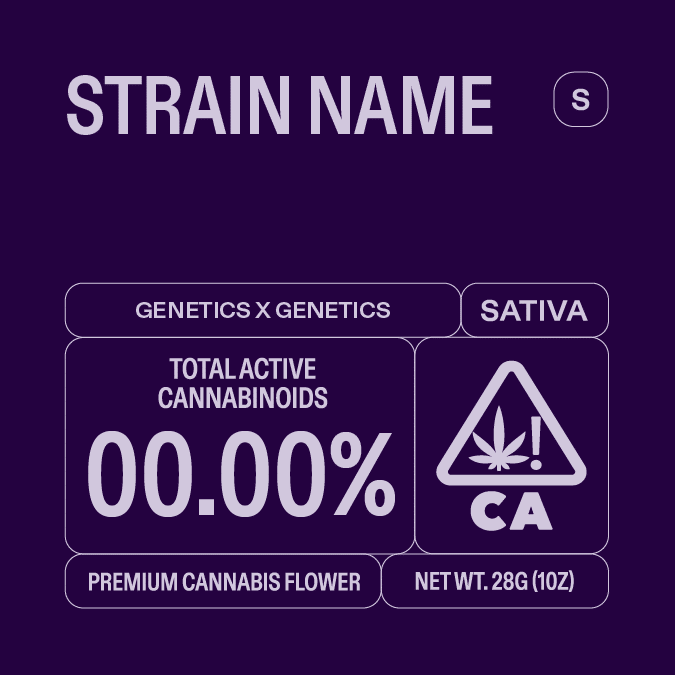
1. Strain Name
What you’ll see:
The strain name displayed prominently on the front of the label.
Why it matters:
The strain name is your reference point. Over time, many consumers learn which strains—or strain families—they enjoy most. Recognizing strain names helps you repeat experiences you liked and avoid ones you didn’t.
2. Strain Classification (Sativa, Hybrid, or Indica)
What you’ll see:
A clear classification indicating Sativa, Hybrid, or Indica.
How to use it:
This provides general guidance:
- Sativa: often associated with uplifting or energizing experiences
- Hybrid: a balance of characteristics
- Indica: commonly linked with more relaxing effects
It’s a helpful starting point, but not the whole story.
3. Genetics
What you’ll see:
The genetic lineage listed as a cross (for example: Tangie × Kosher Kush).
Why genetics matter:
Genetics influence aroma, flavor, structure, and overall character. If you enjoy a particular strain, checking its genetics can help you find similar options in the future.
4. Total Active Cannabinoids (TAC)
What you’ll see:
A percentage labeled Total Active Cannabinoids.
What it means:
TAC reflects the combined cannabinoid content of the flower—not just THC. While potency is one factor in choosing cannabis, TAC provides a broader snapshot of cannabinoid presence.
Pro tip:
Higher numbers don’t automatically mean a better experience. TAC is best viewed alongside terpene content.
5. THC and CBD Percentages
What you’ll see:
- Total THC
- Total CBD
How to read it:
THC indicates psychoactive potency, while CBD may contribute to overall balance. Two strains with similar THC percentages can feel very different depending on their terpene profiles.
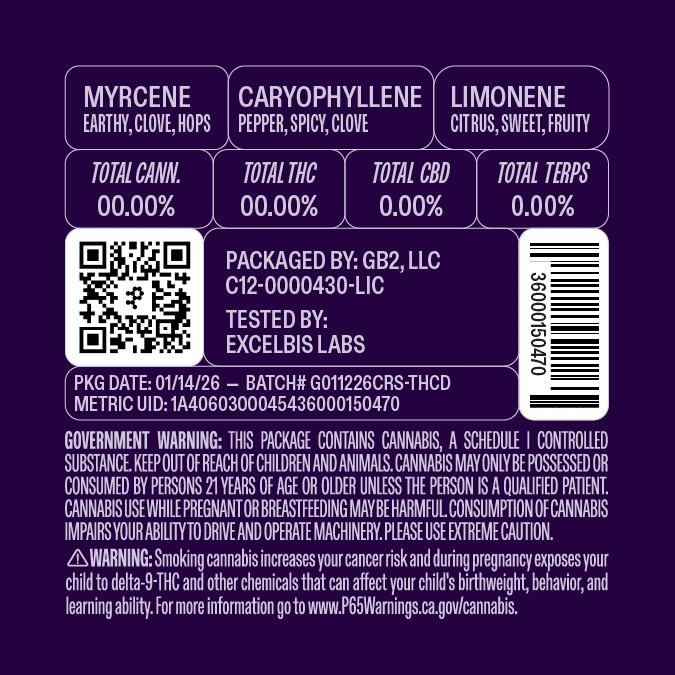
6. Top Terpenes
What you’ll see:
A list of the Top 3 Terpenes, often paired with flavor descriptors. Examples include:
- Myrcene (earthy, herbal, clove)
- Caryophyllene (peppery, spicy)
- Humulene (woody, hoppy)
Why this section is key:
Terpenes influence aroma, flavor, and the overall experience. Many experienced consumers prioritize terpene profiles over THC when choosing flower.
Once you learn which terpene combinations you enjoy, labels become much easier—and more predictive—to read.
7. Product Weight
What you’ll see:
Clearly listed net weight, such as 3.5g (1/8 oz).
Why it matters:
This confirms exactly how much flower is inside the package and ensures clarity around portion size and value.
8. Product Identifier
What you’ll see:
A line such as “Premium Cannabis Flower.”
What it means:
This is a product identifier that clearly defines what type of cannabis product is inside the package. On flower products, it will read Premium Cannabis Flower. On other formats, this line would change to reflect the product type—such as pre-rolls, infused pre-rolls, or concentrates.
Why it matters:
This identifier helps prevent confusion and allows consumers to quickly confirm the product category, especially when shopping across multiple formats.
9. Package Date
What you’ll see:
A clearly printed package date.
What it tells you:
This shows when the flower was packaged for retail sale. Fresher package dates can help indicate better preservation of aroma and terpene content.
10. Batch Number
What you’ll see:
A batch or lot number unique to that production run.
Why it matters:
Batch numbers allow brands and regulators to track consistency and quality across harvests. They’re an important part of transparency and quality control.
11. METRC UID
What you’ll see:
A METRC UID listed near the batch information.
What it means:
METRC is California’s cannabis tracking system. Each METRC UID is a unique identifier that tracks cannabis from cultivation through retail sale. Its presence confirms the product is state-tracked and compliant.
12. Packaged By
What you’ll see:
The licensed operator responsible for packaging the product.
Why this matters:
This identifies who is accountable for the product once it enters retail packaging. It’s a key element of regulatory responsibility and transparency.
13. Tested By
What you’ll see:
The name of a state-licensed, third-party testing lab.
Why this builds trust:
Cannabis products must pass independent lab testing before reaching shelves. Testing labs verify cannabinoid levels and compliance, helping ensure the information on the label matches what’s inside the jar.
14. QR Code
What you’ll see:
A QR code printed on the label.
What it unlocks:
- Full lab results
- Expanded strain details
- Additional product information
Scanning the QR code provides deeper transparency beyond what fits on the label.
How to Use a Cannabis Label When Shopping
A simple checklist:
- Start with strain classification for direction
- Check genetics for familiarity
- Prioritize terpenes for flavor and experience
- Use THC and TAC as reference points, not the final decision
- Confirm product type with the identifier
- Look at the package date for freshness
Scan the QR code when available
Final Thoughts
Cannabis labels aren’t just regulatory requirements, they’re guides. Once you understand what each section means, labels help you shop with intention, discover new favorites, and make confident choices.
Whether you’re new to cannabis or a seasoned consumer, knowing how to read a label puts the experience back in your hands.